REPREX
Big Data For All
The Reprex is a Netherlands-based data science startup founded in 2020. We help to decrease the inequalities caused by big data and AI, and we thrive to make an impact on the UN SDG agenda.We are finalists in The Hague Innovators Award 2022 competition.

Latest News



Automated Data Observatories
From open data and open-source statistical software to data-as-service.




Accomplishments
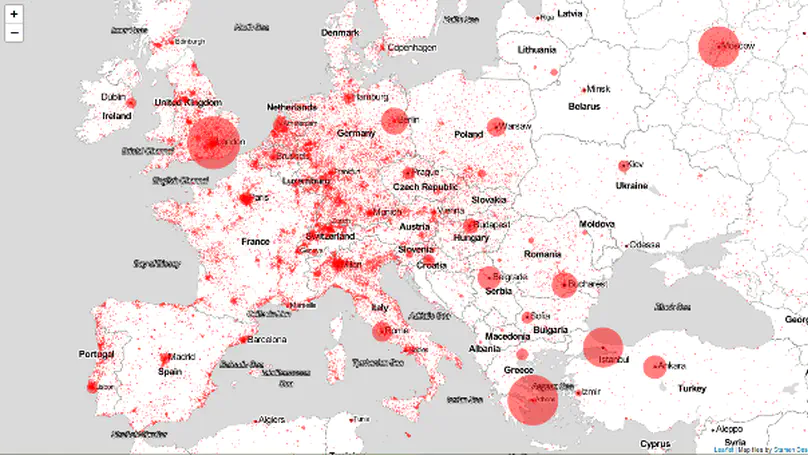
We want to bring the future European Music Observatory, and various SGD related international data projects to the Hague.

Listen Local Lithuania
Integration of knowledge about the Lithuanian commercially released music in the world. Help Lithuanian artists and music providers to find locally relevant content and increase market share.
OpenMuse
Launch our research automation tools from data collection to dissemination for scientific, business and policy partners, including OPA-compatible smart policy documents for music economy, music diversity, music innovation policies and ESG reporting.

Awarded project in the Green Recovery section of MusicAire.

Trustworthy AI Systems Hub
With our Digital Music Observatory and Listen Local we are partners in finding potential adverse outcomes of AI-driven, autonomous music recommendation systems on market competition.

Cultural Creative Sectors Industries Data Observatory
A first replication and extension attempt of our beachhead product, the Digital Music Observatory to serve the film, fashion, book, design, gaming industries.

Listen Local Slovakia Demo App & Feasibility Study
Slovak Arts Council & SOZA
Formalizing our automated data observatory product and our bridghead into the music industry
AI+Blockchain Product/Market Fit Validation
University X
Formalizing our automated data observatory product and our bridghead into the music industry
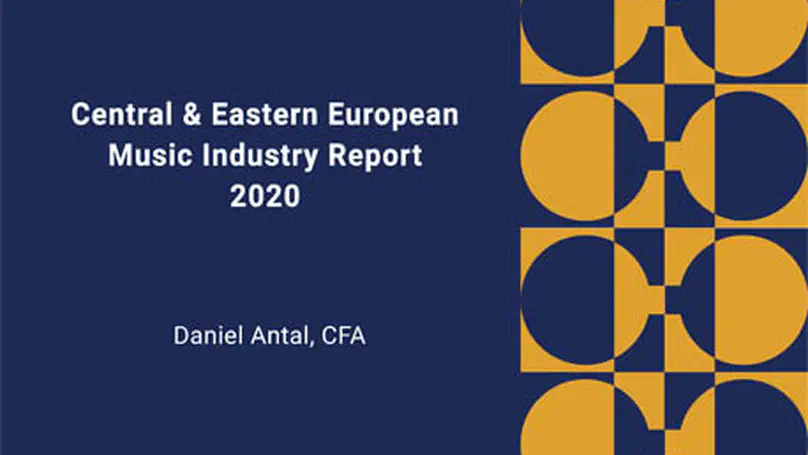
Central European Music Industry Report
A 12-country music data harmonization and reporting project with a a best-practice report.
Software

The primary aim of dataset is create well-referenced, well-described, interoperable datasets that can be easily placed on global knowledge graphs using the W3C DataSet and RDF definition, or syncronized via APIs that follow the Statistical Data and Metadata eXchange standards.

statcodelists
Use the standardized codebooks of the Statistical Data and Metadata eXchange for international, language-independent, machine-to-machine data exchanges.

Our minimum viable product will create sustainability reports (or report components) for greenhouse gases and sustainable water use with applying the Global GHG Accounting & Reporting Standard for the Financial Industry and EFRAG’s proposed concept on connecting European accounting standards and information with sustainability.

Tax, employment, green house gas multipliers, induced effects, policy scenarios. Documentation & download

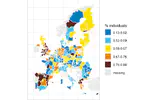
Malta and Germany are hard to compare. Compare provinces with provinces, regions with regions. Documentation & download

Never start a questionnaire from scratch. Recycle questions from question banks, answer from open data repositories, and let your respondents add theirs. Documentation & download
Projects
*